Global PR Agency — FL PR & Communications
Global PR coordinates messages, spokespeople and decisions across markets. From Istanbul and London, FL PR plans country priorities, local adaptations and headquarters approvals. The programme delivers market-specific communications plans, clear responsibilities and a shared reporting framework. Journalist outreach is one part of that wider coordination.
What Is This Service?

Global PR defines who approves what across markets and how the shared position stays consistent. It is broader than translating releases or compiling media lists. For journalist research and pitching around a defined story, international media relations explains the more focused delivery scope.
A programme defines market priority, core messages, localization rules, spokespeople, evidence, crisis authority and reporting standards. Roles for the central team and local specialists are documented, and market-level learning is fed back into the common plan.
Who Is It For?

The service is for organizations expanding from Türkiye or coordinating regional communications through one framework.
- Turkish exporters and companies pursuing international growth
- Mid-market and enterprise organizations building a regional presence
- Brands seeking international patients, customers or investors
- Teams positioning founders and executives as global thought leaders
- Companies coordinating reputation and crisis risk across markets
Scope of Service

- Market prioritization and stakeholder research
- Global message core and local narrative system
- International media and specialist-publication relations
- English-language content and country-level localization
- Executive communications, contributed articles and speaking opportunities
- Crisis scenarios, approvals and rapid-response protocol
- Multilingual search and AI visibility
- Reporting by country, media quality, message and business effect
Why FL PR?
- Istanbul and London locations connect Türkiye-based strategy with international media execution.
- The public case portfolio includes multi-market work across healthcare, health tourism and corporate brands.
- International media, SEO and reputation can operate within one measurement plan instead of separate supplier silos.
- Cultural context, regulation and journalist fit are reassessed for every market.
Frequently Asked Questions
These answers clarify the main decisions around scope, method, timing and measurement.
When does a business need global PR coordination?
Global PR is useful when several markets need a shared message, clear spokespeople and coordinated approvals. The programme sets market priorities and local responsibilities. If the need is a single story in one country, a focused international media-relations brief may be the more appropriate scope.
How should headquarters and local teams divide responsibility?
Headquarters defines the core position and facts that must stay consistent. Local teams advise on context, language and media relevance. Name the final approver, response deadline and crisis decision-maker before activity begins. This reduces conflicting messages without requiring identical wording in every market.
Is translating one press release enough for several countries?
Translation alone rarely resolves the full communications brief. Each market needs a relevant angle, appropriate evidence and a suitable spokesperson. The underlying company facts should remain consistent. Headlines, examples and the choice of publication can change to reflect the audience and local news agenda.
What should a multi-market PR proposal itemise?
The proposal should specify countries, languages, local research, spokesperson preparation and coordination. Content production, media outreach and crisis support need clear boundaries. Any third-party placement or distribution fees should be separate from agency fees. Compare proposals by responsibilities and deliverables, not country count alone.
How can results be compared across markets fairly?
Assess each market against its own starting position and audience objective. Use consistent definitions for relevant coverage, message accuracy and qualified enquiries. Raw publication totals from different-sized markets are not a fair league table. Report communications outputs separately from business effects that have supporting data.
Selected Work and Case Examples
The examples below summarize public FL PR case studies and first-party site information; they are not performance guarantees.
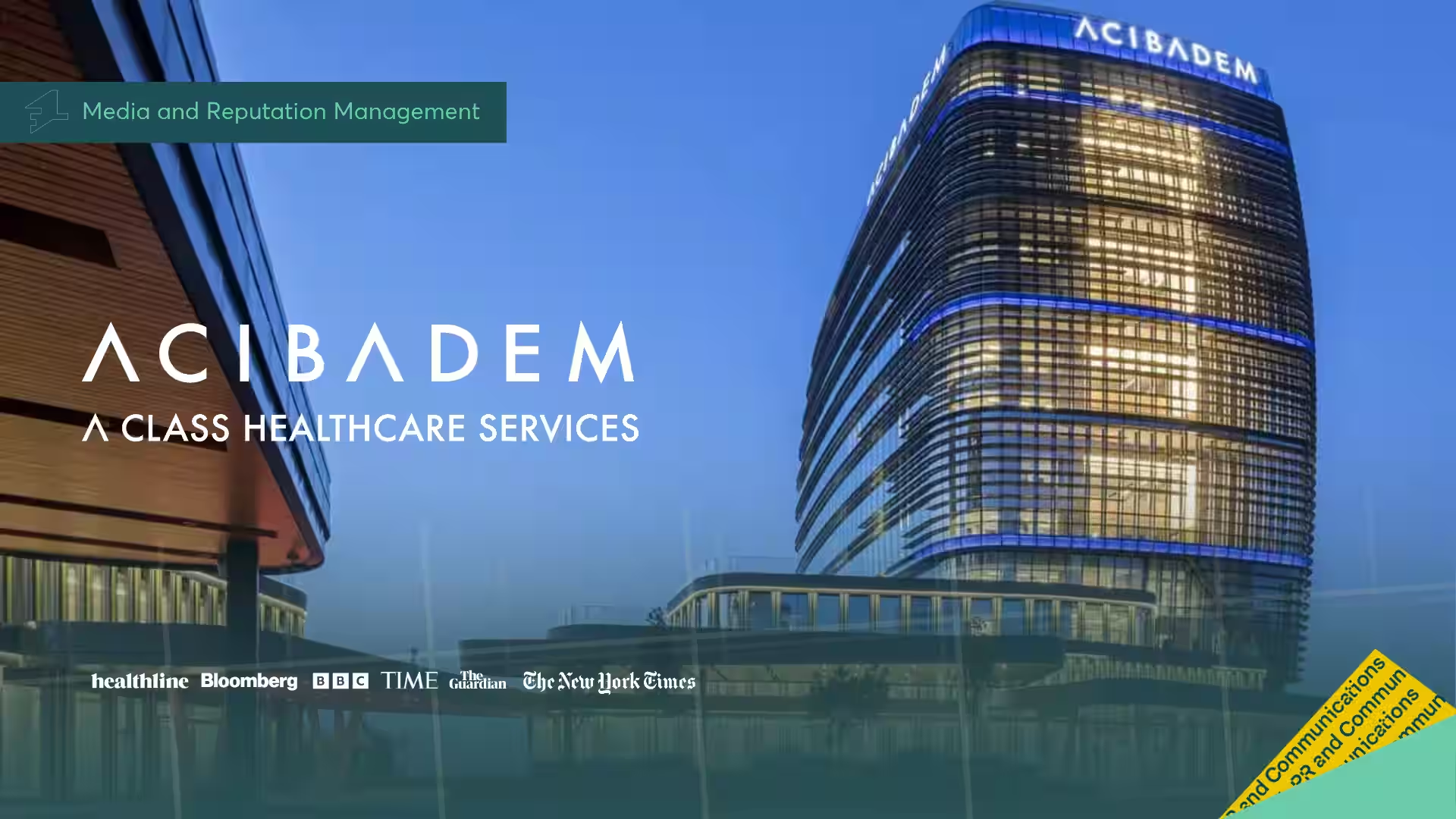
Acıbadem
Professor Metin Çakmakçı’s expert commentary appeared in Healthline. Professor Yaşar Çolak’s response was prepared and submitted for a separate request from The Sun; it is not presented as published coverage. The Acibadem case record: published coverage and an expert submission distinguishes the two outputs.
Erdem Hospital
FL PR’s own case record describes how Erdem Hospital’s technology, patient experience and international services were organised into market-specific communications themes. The Erdem Hospital communications case record is an agency account, not independent evidence of patient growth or campaign reach.
Rememore / Memorial
Treatment topics and the patient journey were developed into distinct communications themes for Memorial Health Group’s international patient brand. The Rememore case record: publication topics and content classifications identifies publication evidence and its limits. A placement record alone does not establish patient growth or increased trust.
Prioritization
Country, target audience, and publication segments are prioritized according to business goals.
Localization
Messages and evidence are adapted to local editorial expectations.
Learning
Market response, qualified visibility, and demand signals are compared.
International communications guides
Connect news value, localization and media relations when entering new markets.