Accuracy directs speed
Moving quickly does not mean circulating assumptions. Confirmed facts, active enquiries and genuine unknowns are separated from the first response onwards.

EXPERTISE · CRISIS COMMUNICATION
Crisis communication is not a statement-writing exercise performed under pressure. It is a governance discipline that defines how facts are verified, who can make decisions and how employees, customers, partners and the media receive timely updates.
The first minutes of a crisis require more than a fast statement. Authority, verification and the order of decisions need to be clear before pressure arrives. The film connects scenario planning, spokesperson preparation and stakeholder updates. Communications does not replace operational, legal or safety action; it helps those actions remain coherent and understood.
The first hour tests fact gathering, authority, record keeping and message discipline at the same time.

VIDEOWork in practice
Moving quickly does not mean circulating assumptions. Confirmed facts, active enquiries and genuine unknowns are separated from the first response onwards.
Legal, operational, people and leadership teams work from the same situation picture, with a clear approval route and named communications authority.
Employees, customers, regulators, partners and journalists do not all need the same message at the same time. Sequence follows duty, risk and impact.
APPROACH
During the opening hour, an organisation needs a shared picture of what has happened, who may be affected, what remains operationally urgent and where the evidence is incomplete. Publishing before those basics are aligned can create a second problem.
FL PR connects communications to the decision room. We help establish a workable system across scenario planning, holding statements, spokesperson preparation, employee updates and stakeholder response.
A crisis plan is not a document on a shelf. It is a decision system that still works under pressure.

Experience behind the preparationFurkan Lüleci leading crisis-communications work

VALUE
The organisation knows who gathers facts, who approves action and who is authorised to speak.
Messages across channels and teams are built from one verified information base.
Uncertainty is acknowledged, responsibility is clear and the next update is not left ambiguous.
Every exercise and incident improves the protocol, ownership model and future response.
FROM THE WORK
These are working materials for examining risk, language and stakeholder impact across public coverage; they are not presented as claims of earned placement.
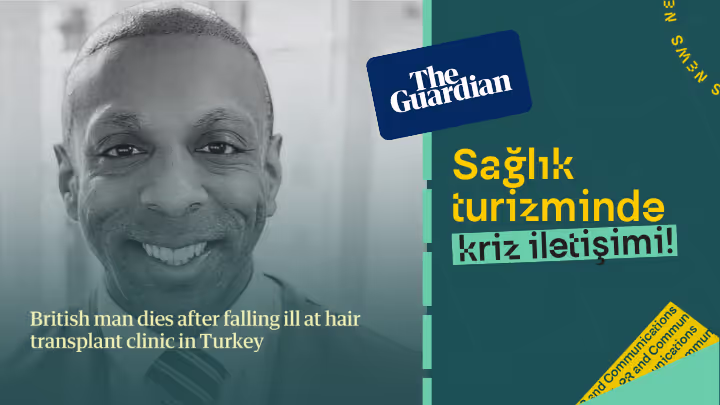
04Crisis-communications review visual using a Guardian health-tourism report

05Screenshot of an international healthcare-crisis news narrative
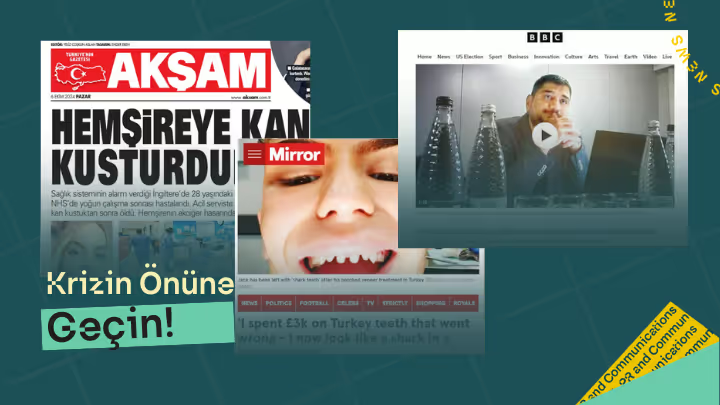
06Monitoring collage of healthcare-crisis coverage across several outlets
WORKING MODEL
We examine current plans, material risks, decision owners, contact lists and communications channels.
Priority scenarios are matched with clear crisis-team, spokesperson, approval and logging responsibilities.
We define what must be established, decided and communicated at 15, 30 and 60 minutes.
Holding statements, Q&A, stakeholder updates and spokesperson rehearsals turn the plan into usable material.
A tabletop simulation reveals delay, ambiguity and ownership gaps before a live incident does.
FROM THE WORK
Crisis work is not one statement. It connects preparation before the event, decision discipline in the first hour and a learning process afterwards.

01Working visual illustrating the planning stage of crisis preparedness

02Presentation screen showing a crisis-response framework

03Presentation illustrating the reputation-recovery stage after a crisis
SCOPE
A working document covering roles, approval routes, stakeholder sequence and decision criteria.
Clear thresholds for moving a developing issue into the formal crisis process.
Adaptable first-response language, message frameworks and answers to difficult questions.
Practical rehearsal for calm, accountable communication when facts are incomplete.
Channel and timing plans for employees, customers, partners, media and other critical audiences.
An evidence-led assessment of communication performance, governance and outstanding improvements.
FROM THE WORK
Employees, affected people and the wider public need different levels of detail, built from the same verified core.
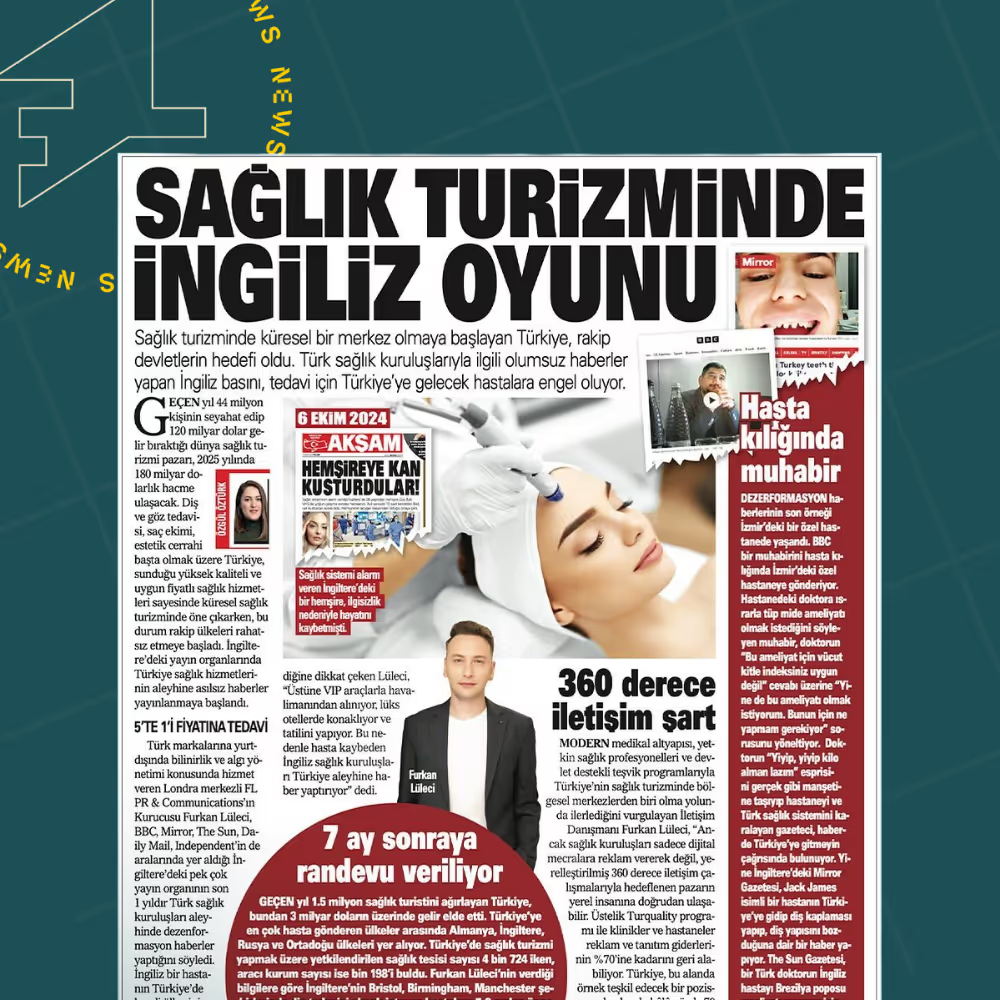
Furkan Lüleci’s interview with Akşam newspaper
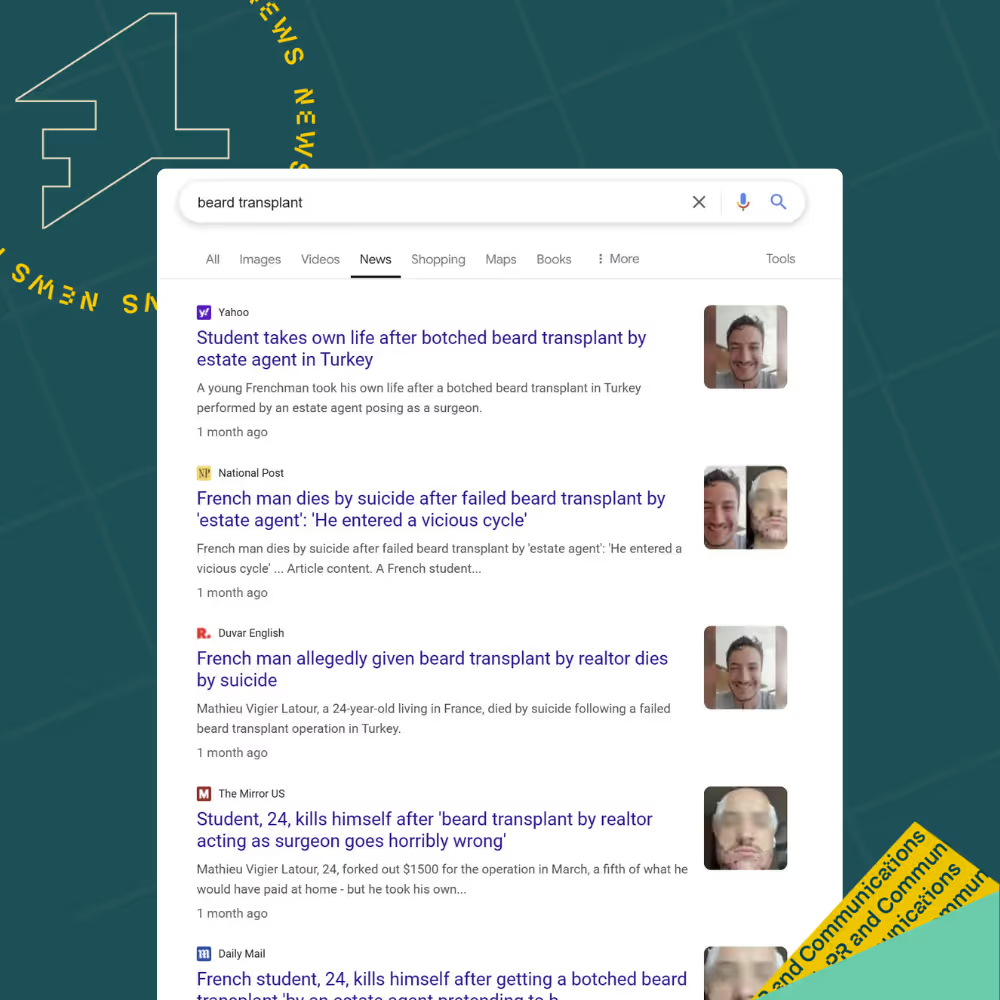
How the crisis appeared in Google search results

The crisis communications team
WHO IT IS FOR
FREQUENTLY ASKED QUESTIONS
Before an incident, and reviewed whenever the organisation, leadership team, products, locations or risk profile changes. It should also be exercised at regular intervals.
Human safety and operational duties come first. From a communications perspective, the priorities are a verified situation picture, clear authority, disciplined records, stakeholder sequence and a time for the next update.
No. The right spokesperson depends on the nature of the incident, technical knowledge, accountability and stakeholder expectations. A subject specialist may be more appropriate in some situations.
A bounded holding statement can be more responsible than silence. It should distinguish what is confirmed, what is being investigated and when further information is expected.
Social media is part of the wider governance model. Monitoring thresholds, response authority, comment policy, evidence capture and channel priority should be agreed in advance.
Exercises can track decision time, information accuracy, approval delay, message consistency, stakeholder reach and unresolved actions. The objective is to expose weaknesses early, not to claim perfect readiness.
NEXT STEP
Let us review your current plan, first-hour protocol and spokesperson readiness. The conversation will identify priority risks and practical next steps.
Review your crisis readiness
Schedule your free 15-minute consultation to see how we can help.


Success is not only about doing the right things but also about promoting them creatively.