
O-1A and EB-1A Press Records: When Your Name Does Not Match

What must a name check establish?
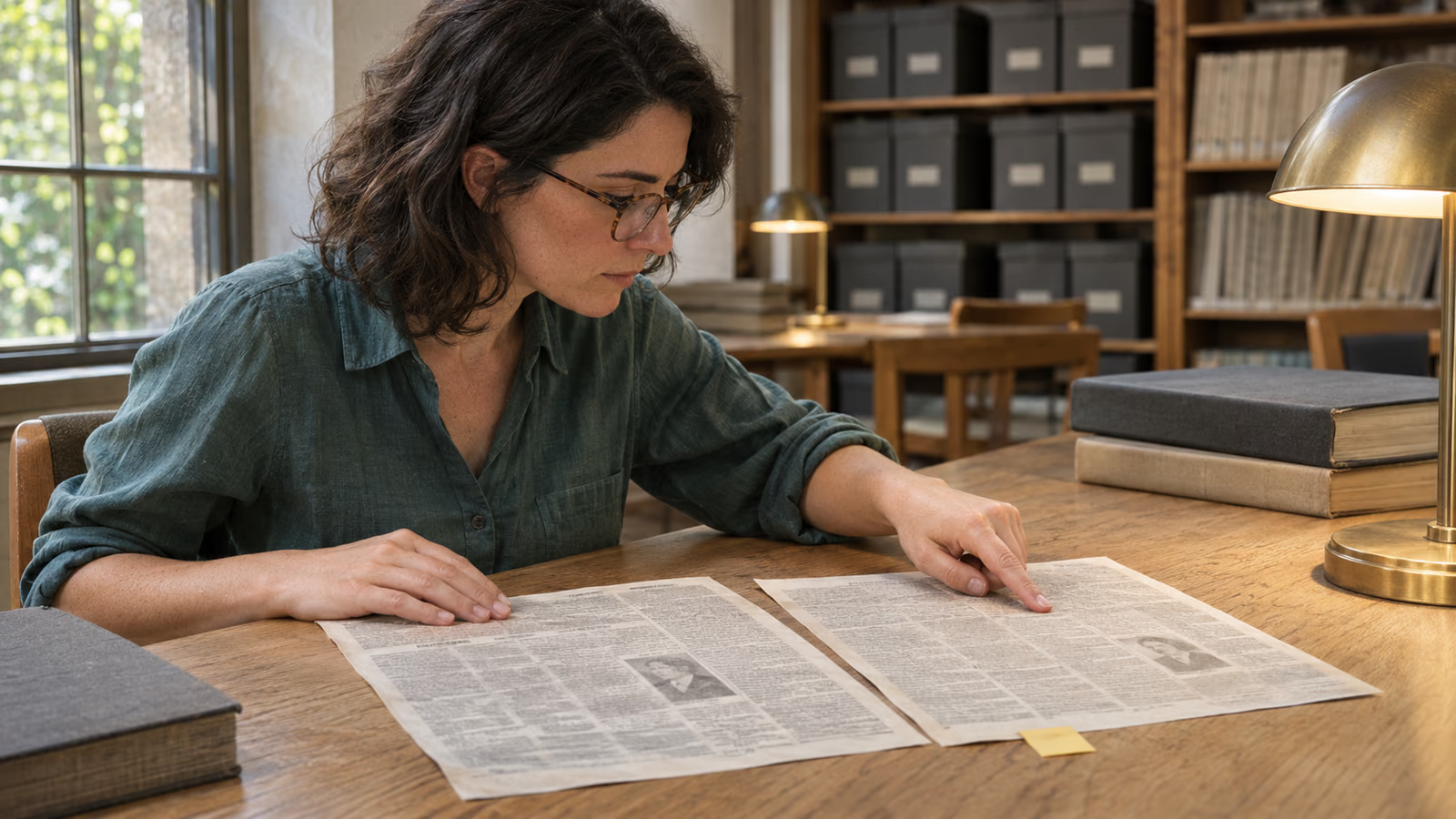
A name check should establish whether a press story refers to the person whose record you are compiling. Similar spelling is a starting point, not a conclusion. Read the name beside the person's role, work and the events described before adding the story to their file.
A publication may use initials, omit a second surname or remove accents from a name. An older story may use a former name. Those differences deserve an explanation, while an identical name can still belong to someone else.
The O-1A rule on press evidence concerns coverage about the person and their work in the relevant field. So does the EB-1A rule on press evidence. Both specify types of media and require the source's title, date, author and any needed translation. Neither sets a numerical name-matching test.
This article addresses the work of checking whom a story names and recording the basis for that link. It does not decide whether a story meets an immigration criterion or whether a person qualifies. Leave those legal judgments to the lawyer reviewing the case.
Start with a plain question: could another reader follow the evidence connecting this story to this person? If the answer rests on a guess, state what still needs checking. A clear open question is more useful than a confident summary that hides the gap.
Whose name appears on the page?
First distinguish the story's subject from its writer, quoted sources and people mentioned in passing. A name at the top of a page may be the journalist's byline. Its position alone does not tell you that the article is about that person.
The Associated Press's editorial standards explain how bylines credit reporting and writing. They also require factual corrections to be visible to readers. These are AP's standards, not a promise that another publisher will follow the same process.
Read beyond the search result and headline. Locate the sentence that identifies the person, then read the paragraphs around it. Note whether they are described as the project's creator, a company spokesperson, an outside commentator or someone with another role.
Consider a fictional report about a product launch. A journalist named Deniz Arslan writes it, and a designer with a different name is its main subject. Saving the journalist's name as the featured expert would link the story to the wrong person before any spelling check begins.
Keep the publisher's wording separate from your description of the coverage. A brief quotation should remain a brief quotation in the record. Explaining who spoke does not turn a short mention into a profile or change the role described in the story.
How do you connect different names to one person?
Connect a name variant through dated records of the person's work and role. Begin with details inside the story, then seek records that support the link. Do not treat several weak clues as a substitute for a clear link.
- Compare the organisation and role as they stood when the story appeared.
- Check the named project, work, event or contribution against a reliable record.
- Look for a profile or publication that explicitly connects the name variants.
- Record conflicting details as carefully as supporting ones.
Imagine a fictional article naming an engineer as E. Demir. An event programme from that date names Elif Demir and describes the same project and workplace. That gives the editor a specific link to examine; it is not a rule that these details prove who the person is.
A current biography may not explain an old job title. Look for records from the relevant period and note when each was published. If the article describes someone working in another field or city, investigate that conflict rather than discarding it.
Names may also be transliterated, meaning written in another alphabet or spelling system. Keep both the published form and the person's documented form visible. In communication across local markets, clarity depends on context as well as language; the record still needs a traceable connection.
When should you request a publisher correction?
Request a correction when you can point to a specific factual error and support the proposed change. Ask the publisher to check the fact, not to make the article more useful for an application. The editor decides what to change.
Give the editor the article URL, the relevant sentence and the reason you believe the name is wrong. Attach or link only the material needed to explain that point. A concise request is easier to assess than a broad demand to rewrite the coverage.
For example, a fictional request might explain that the story attributes a project to Selin Kaya, while its interview concerned Selin Kara. The request should identify the interview and the project record supporting that correction. It should not ask for new praise, a stronger title or a longer profile.
An initial or former name is not always a factual error. If the story used the right name at the time, a separate note may explain the difference. Do not ask the publisher to erase a valid detail from the past just to make the file look consistent.
Keep any reply and check what actually changed on the page. Acknowledging your message is not confirmation that the editor agrees. Accurate follow-up is part of coordinated PR and digital planning; it does not give your team control over the published result.
How should the source and explanation be kept?
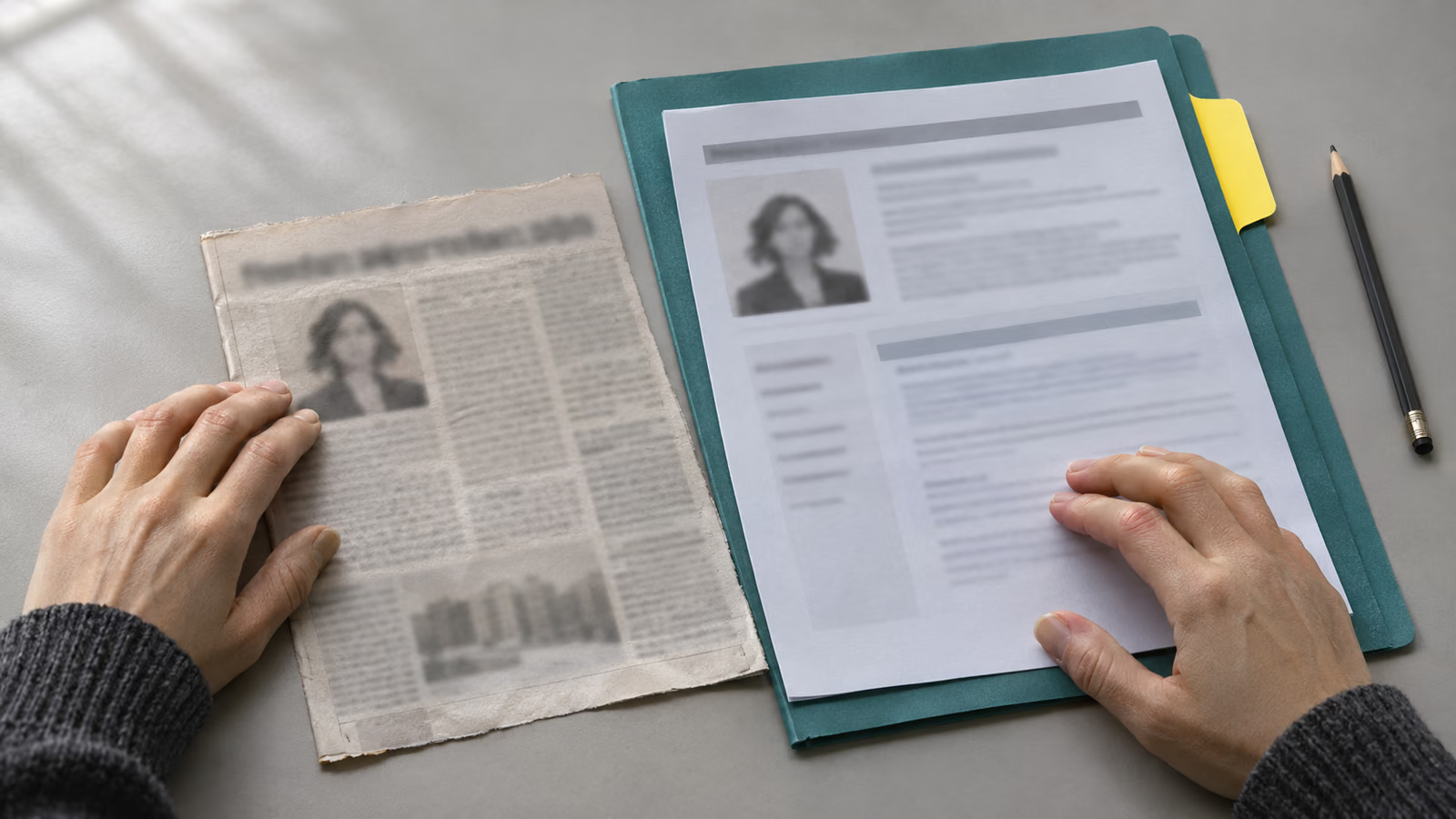
Keep the original source unchanged and place your explanation in a clearly separate note. The reader should be able to tell the publisher's text from your team's reasoning. Editing a saved copy to replace the name would hide the very difference you need to explain.
Record the title, date, author and URL as published. Preserve the relevant passage with enough surrounding text to show whom it describes. If a field is absent, mark it as absent rather than supplying a plausible value.
The separate note can state the published name, the documented name and the precise difference between them. It should then list the supporting records, explain the link and state any remaining doubt. Make clear when you have drawn a conclusion from those records, rather than received confirmation from the publisher.
For a former surname, keep the historical spelling in the source record. Identify the document that connects the two names, if one is available, and let counsel advise on its use. Avoid circulating private identity records widely just to resolve an editorial query.
A translation should make the original name form traceable rather than silently replacing it with the preferred name. Add any explanation outside the translated passage so that it is not mistaken for source text. The aim of consistent communication across languages and channels is clarity, not silently making every source say the same thing.
What happens if the name still cannot be resolved?
Keep an unresolved record clearly marked and hand the specific uncertainty to counsel. Do not label it confirmed coverage about the person simply because the publisher has not replied. Silence leaves the question open.
Use working labels that describe your team's position: supported link, awaiting a reply or conflicting details. These are labels to organise the work, not government findings. They should help the next reviewer see what has been checked and what still needs a decision.
- Include the unchanged source and the separate explanation of the name difference.
- Identify the strongest supporting record and any contradictory detail.
- Show the exact factual question sent to the publisher and any reply.
- State which part remains unresolved and who will follow it up.
Keep the question of who is named separate from the story's wider use as evidence. A clear name link does not answer questions about the publisher, the story's substance or the relevant legal standard. Do not turn confidence in that link into a prediction about an application.
If new material arrives, update the note and retain the earlier reasoning as part of the record. If the source clearly concerns someone else, remove its attribution to the applicant. Keep the reason for that decision so that another team member does not add it back later.
Frequently Asked Questions
These answers cover common name discrepancies when organising a press record for legal review.
Does a missing accent make the article unusable?
The spelling difference alone does not settle the editorial identity question. Examine the role, work and supporting records, then leave legal use of the material to counsel.
Can matching initials prove the story is about me?
Initials alone are not a sound basis for that conclusion. Look for a documented connection to the work or event described, and record any conflicting details.
Should a former surname be replaced in the saved article?
Keep the source as it was published. Explain the name history separately and ask counsel which supporting documentation is appropriate for the case.
Does a publisher correction guarantee acceptance?
A correction can resolve a factual error in the article. It does not decide how the material will be assessed or establish eligibility for a visa or classification.