
When an Expert Leaves: Update the Bio, Keep the Record Clear


Separate the current role from the past contribution
When an expert leaves, update pages that present them as a current team member and review dated work on its own facts. A team biography, an old article and a new campaign serve different purposes. They need separate decisions, even when they use the same name and photograph.
Imagine a journalist finding a former specialist through your website. The article may still explain a useful idea, but its contact button could suggest the specialist remains available through your press office. Removing the whole article would lose its context. Leaving every detail untouched would leave the contact problem unresolved.
Start with a narrow question: what would a reader believe about this person's relationship with the organisation now? FL PR's approach to leadership communication grounded in real experience connects an expert's contribution with evidence and organisational responsibility. After a departure, review that connection wherever you describe the person as a current representative.
The workflow below is an editorial recommendation for communications teams. It does not set a universal rule for keeping or deleting personal information. Rights, agreements and requests about particular material need their own review.
Decide what each page is meant to do
Classify each mention as a current service, a dated record or a proposed new use before deciding what to change. Searching for the person's name is a useful start. Also check shared biographies, image captions and contact details that may sit outside the main text.
Build a short working list with the page address, its purpose, the proposed action and an owner. Add the language and any linked download. One person should hold the list, even when several teams make the edits.
- Current team and expert pages: check role, availability, contact routes and links inviting interviews or bookings.
- Dated articles and event records: check the original author, speaker, date and role at that time.
- New campaign material: check whether the proposed use implies present involvement, approval or support.
- Shared page elements: check author cards, footers and profile blocks that may appear on several kinds of page.
Ithaca College's profile lifecycle guidance illustrates one institutional approach. Departing staff profiles are generally unpublished while their content is kept internally. It makes a separate provision for emeritus faculty. This is the college's own practice, not a rule that determines what another organisation may keep online.
For your site, agree the purpose before choosing the technical action. The wider discipline of planning PR and search content together is relevant here: readers should reach a page that meets their need. A person seeking a current spokesperson needs a different destination from someone checking an old article's source.
Reset the current public role and contact route
Update current roles and contact routes using a confirmed departure date and facts cleared for public use. Ask the responsible team when the change takes effect. Do not infer the reason from a missing profile, a social post or an internal rumour.
The team page should no longer invite readers to approach the person as a serving employee once that role has ended. Check expert directories, speaking offers and active press materials as well. A correct biography on one page does little for a journalist using an old media kit.
If a current adviser or other relationship continues, describe only the relationship that has been confirmed. Do not turn an informal possibility into a public title. Where the next appointment is unknown, avoid guessing a new employer or contact address.
Give press enquiries a working route that belongs to the organisation. Confirm who will answer, which subjects they can cover and when they should refer a question elsewhere. Test the public form or address through the approved internal process. Do not publish someone's private details to fill a gap.
FL PR's media relations preparation process brings spokespeople, facts and approvals together before outreach. Apply that sequence to the handover. A replacement contact should know which interviews are pending and which statements still need an expert's review.
Keep the handover note separate from the public notice. The colleague answering enquiries may need operational detail that a reader does not. Public wording should explain how to reach the right team without exposing private employment discussions.
Keep archive credit accurate and clearly dated
Where an article remains published, preserve its true authorship and make any historical role clear to the reader. A successor does not become the author because they now lead the same team. The name credited for an old contribution should reflect who made it.
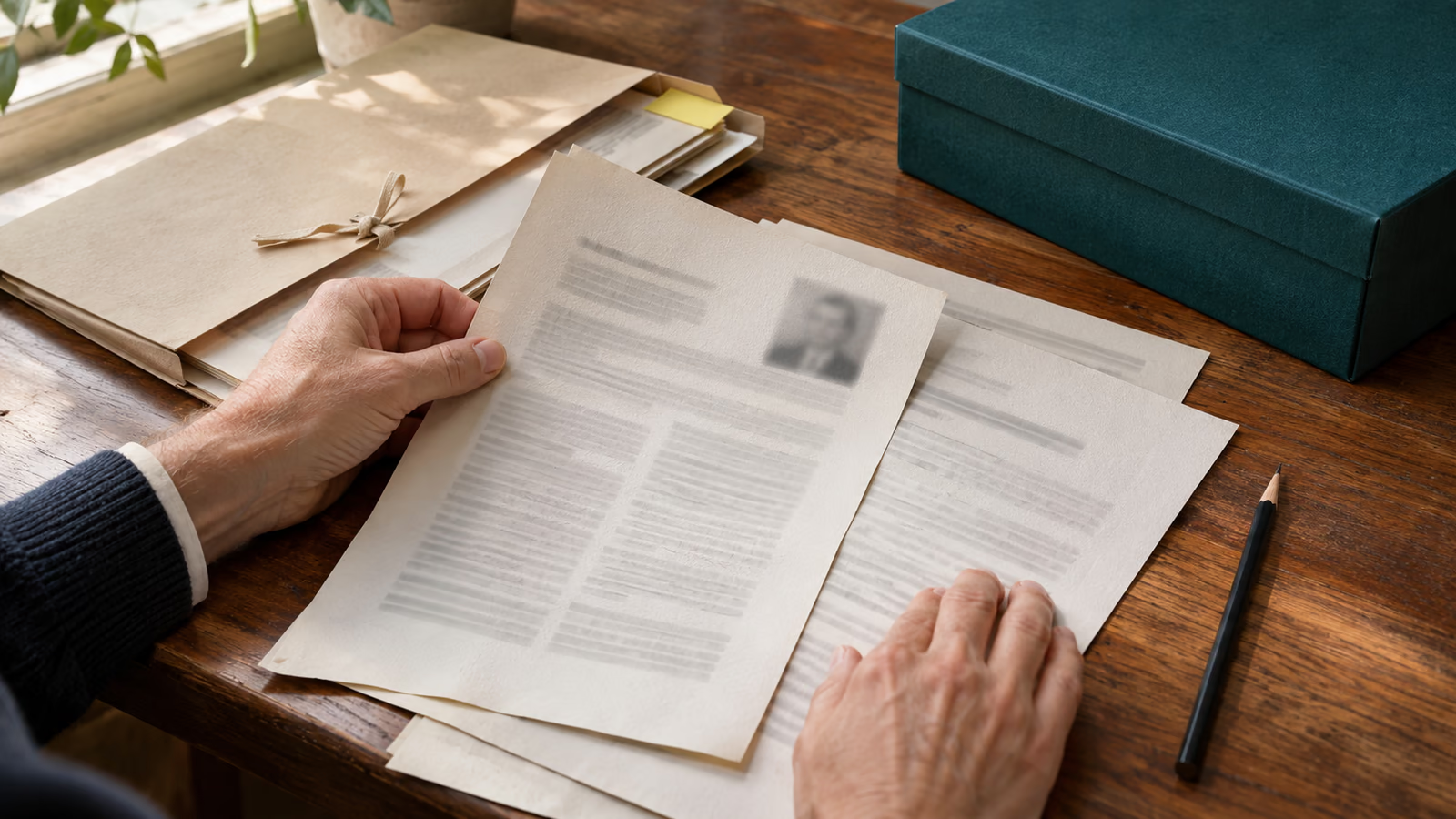
Check the byline, meaning the line that names the author, alongside the author card. A dated story can still display a shared card that calls someone your current head of research. Change the misleading role description without silently changing the original credit.
Reuters' editorial standards provide a useful newsroom example. They call for accurate attribution, context around quotations and transparent correction of errors. Those standards explain how Reuters handles its journalism. They do not establish a company's right to retain a former employee's profile or reuse their words.
A short factual note may be enough to explain a retained article. For example, state that the person held the named role when the article was published, if you can verify that. Keep the original publication date visible. Record a later correction or update separately when the text changes.
Do not add a departure date merely because the field accepts one. Use a date only when it is confirmed and appropriate to publish. If the article has another error, correct that error on its merits. Departure alone does not prove that the earlier work was wrong.
An archive label explains time; it does not settle every reason for keeping material public. Refer a request about a photograph, personal detail or disputed passage to the right owner. Keep that review distinct from routine changes to a current team directory.
Review fresh use of old words as a new decision
Review an old quote or photograph again before using it in a new campaign, even if its original page remains public. A record of a past contribution and a present message of support are different things. New placement, wording or design may change what the audience understands.
Consider a quote from a past research launch placed beside a newly released service. A reader may assume the expert helped create that service or supports it now. The fact that the quote is genuine does not answer whether this new impression is accurate. Check the full proposed piece, including its caption and surrounding claims.
- Meaning: does the excerpt still reflect what the person said and the circumstances in which they said it?
- Present role: could the design or caption suggest the person still speaks for the organisation?
- Permission and scope: do the relevant agreements and approvals cover this proposed use?
- Audience: will the language, placement or timing create an impression the original material did not?
Check any uncertainty before release with the person responsible for the agreement or editorial decision. Do not describe a lack of response as fresh approval. If the use cannot be supported, choose material that the current campaign can accurately explain.
For work across markets, apply the same factual test to each version. Planning communications for international audiences includes adapting the message to its readers. That adaptation should preserve who spoke, when they spoke and which organisation they represented at the time.
Check every format and leave a clear change record
Verify the public result in each language and format, then record the decisions and the person responsible for follow-up. A saved edit does not tell you whether every page now shows the right details. Open the pages as a reader would, on both a phone and a desktop screen.
Start with the current profile, media contact page and an older article that uses the author card. Follow the links between them. Check that a link about the former author does not quietly open the successor's biography. The destination should make sense without requiring the reader to know your staff changes.
Then review PDFs, downloadable media kits, image captions and the preview shown when a link is shared. Check scheduled posts and active campaign pages too. An old file may still be the version supplied to partners, even when your main website is correct.
The relationship between international PR and online information makes this a useful joint review for communications and web teams. Keep the public biography, page description and author information consistent about the person's role. This work makes your own records clearer; it does not promise an immediate change on external platforms.
For a partner's live page, send the precise factual change to its owner through the agreed route. Keep the request and outcome distinct in your record. A sent correction request is not proof that the page has changed.
Close the task when the agreed changes are verified and remaining questions have a named owner. Record the addresses checked, approved wording, review date and unresolved items. Keep private employment details out of that general log. Set the next check around a real event, such as a pending interview or scheduled campaign.
Frequently Asked Questions
A departure review should distinguish current availability, historical credit and any proposed new use of the person's work.
Should a former employee's biography be deleted?
Decide according to the page's purpose and the applicable circumstances. A current team listing needs to reflect the current team. A dated record may need different treatment. Calling a page an archive does not, by itself, answer questions about rights or a request to remove material.
Can the new team leader replace the old article's author?
A change of role does not change who wrote the article. Preserve accurate credit where the piece remains published. If the new leader contributes a later revision, identify that contribution separately and explain any material update.
How should an old job title appear beside a quote?
Make clear that the title describes the role held when the person spoke. Check the date and title against the source. Avoid wording that presents a former role as current, and do not invent a new affiliation.
Does a public archive quote count as approval for a new campaign?
Its presence online does not establish fresh approval. Review the proposed use, relevant permissions and the impression it creates. A genuine historical quote should not be presented as current support without a sound basis for that claim.