
Fashion Press Samples: A Clear Plan for Loans and Returns
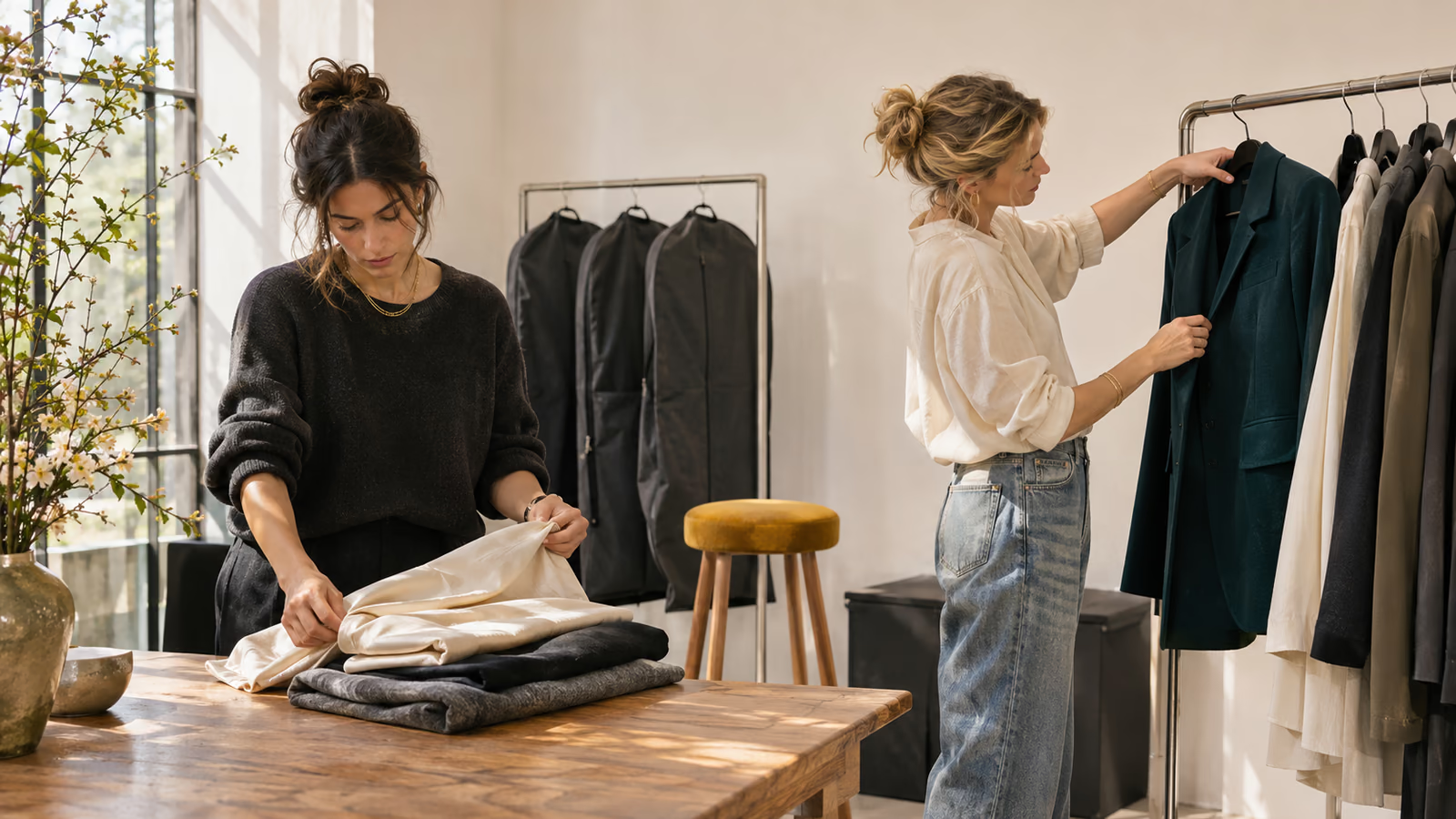

Agree the return before you send the sample
A fashion sample loan needs a clear purpose, a named contact and an agreed return plan before the product leaves your care. A stylist may need a jacket for one shoot, while your sales team needs it for a buyer meeting. Both requests can be reasonable. The problem starts when nobody knows which booking has priority.
Start with the decision you can actually make: whether these particular items can leave for this particular job. A promising publication name does not settle questions about dates, care or transport. Nor does a loan guarantee that the product will appear in the final story. A useful process protects the item and keeps that editorial choice clear.
The steps below are a suggested operating method for brand and PR teams, not a legal agreement. Adapt them to the actual loan terms, the newsroom's rules and the people handling the goods. Keep gifts, paid rentals and temporary editorial loans distinct. If the arrangement changes, update the record before treating the change as agreed.
This is also a practical part of planning PR across international markets. A parcel may cross a border more easily than a vague brief crosses teams. Confirm the recipient, local dates and return address in language that both sides understand. Resolve any shipping or customs requirements with the people responsible for that movement.
Confirm what the request covers
Approve a sample request only after you understand the project, the requested items and how long the team needs them. Ask whether this is an editorial shoot, a commercial campaign, a personal styling job or another use. Avoid guessing from a social profile or the word “press”. One stylist may work across several different kinds of project.
Ask for a short brief that identifies the commissioning contact, intended publication or channel, shoot location and working dates. Verify an unfamiliar request through a known professional contact or the publication's own contact route. Then check your stock calendar. A sample already promised elsewhere is not available simply because the new request sounds attractive.
- Identify the exact project and the person who can confirm its scope.
- List the requested products, sizes, colours and any acceptable alternatives.
- Agree the arrival date, shoot window and date the items should be back with you.
- Clarify whether the request includes fittings, travel or more than one location.
- Record any costs or special terms before dispatch, rather than adding them after the shoot.
Brand policies differ. Amschela's stylist, press and creator policy distinguishes purchases, editorial loans and commercial rentals, with its own return conditions. That is one brand's policy, not a rule for every showroom. Use it as a reminder to name your arrangement clearly.
If a key detail remains open, hold the dispatch and identify what is missing. You can offer a different item or a shorter window if it suits both sides. A polite refusal is also a valid decision. Do not send a scarce sample merely to avoid asking a practical question.
Give the loan one clear owner on each side
Name one brand contact and one receiving contact so each handover has a clear destination. The receiving contact should know where the items are and who handles the return. This is an operating role; naming someone does not by itself decide legal liability. Any financial responsibility needs to be addressed in the actual agreed terms.
Keep the brief and loan record together. Include the contact details needed for delivery and follow-up, without spreading personal details through a large group chat. If the stylist has an assistant receiving the parcel, record that handover. A courier delivery receipt alone does not tell you whether the correct person has checked the contents.
FL's public relations management process sets out the value of a shared brief and clear approval roles. Apply that discipline here: distinguish the person approving a loan from the person packing it. The colleague booking a collection should not have to infer the return terms from old messages.
Use one current version of the record, with changes dated and confirmed by the relevant contacts. Keep the earlier version so you can see what changed. If another agency joins the project, explain its role. Do not assume that forwarding the email transfers permission to pass the samples on.
For example, a photographer may ask to keep the jacket for a second shoot after the original stylist has left. Treat that as a new request for use and custody. Confirm the new contact, location and dates before agreeing. If approval is not given, keep the original return plan in place.
Record the actual items and their condition
Document each item before dispatch so the return check compares the same goods in the same level of detail. A collection name alone is not enough when several jackets look alike. Give each piece a stable reference and match it to a clear photograph. Include belts, straps, spare buttons, hangers or bags that must come back with it.
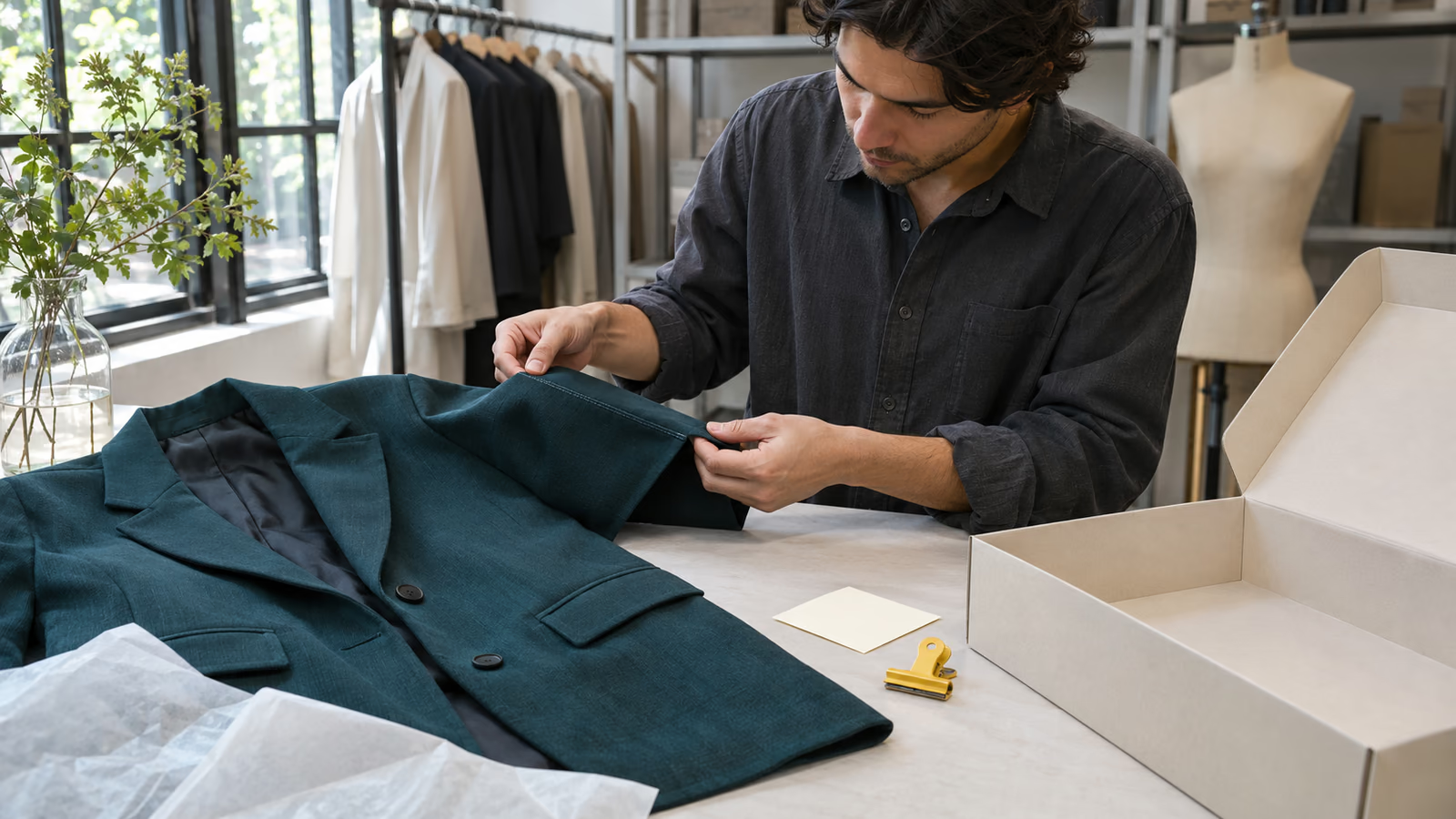
Photograph the front, back and any existing marks under useful light. Describe a loose seam or small scuff plainly, rather than calling every item perfect. Ask the recipient to check the parcel on arrival and report differences promptly. Agree that checking step before sending, including what happens if the team is away from the studio.
- Record the product reference, size, colour and number of pieces.
- Note existing marks and attach photographs that show them clearly.
- List accessories and the packaging required for the return.
- State any agreed limits on cleaning, pinning, tailoring or outdoor use.
- Record who checked the outgoing parcel and who confirms receipt.
Explain any practical care limit before the team commits to the shoot. If a piece cannot be altered, do not wait until a fitting to mention it. Where a proposed use creates a concern, discuss an alternative. The aim is to make the creative work possible within an understood scope.
Keep the factual product sheet separate from the physical condition record. Accurate names, collection details and credit contacts help editors identify the item later. That supports the wider link between international PR and clear online brand information. It does not create a right to a backlink or a particular caption.
Keep product access separate from editorial control
Lending a product gives the team access to that product within the agreed scope; it does not buy favourable coverage. Be clear about this before dispatch. If the proposal actually involves paid content or a commercial service, discuss and record that arrangement separately. A loan label should not hide what the parties are doing.
The Guardian's July 2023 editorial code protects editorial independence from gifts and benefits. It says review or photo-shoot items should be returned, with storage or donation options where return is inappropriate or impractical. These are that publisher's rules, including its stated exceptions.
Ask the relevant team what rules apply to its work. Returning an item does not, on its own, answer every advertising disclosure question. The actual relationship and use still matter. Avoid promises that a loan will never need disclosure, or demands that an editor conceal the arrangement.
FL's media relations approach separates preparation and approval responsibilities from independent editorial judgement. For a sample loan, that means supplying accurate product information and answering practical questions. It does not mean asking to approve the review, the final selection or the tone of the story.
Also separate the loan from your right to reuse the resulting photographs. Sending a garment does not settle the photographer's or publication's permissions. Ask about the specific image and intended brand use before reposting or using it in an advert. Keep any permission with the asset record, rather than assuming a credit resolves it.
Close the record when the return has been checked
Close a sample loan after the agreed recipient has received and checked the returned items, not when someone books a courier. Confirm the collection address, packaging and return contact before the shoot ends. Keep the tracking reference with the record. If the shoot runs late, agree a revised plan instead of letting the original date quietly disappear.
A simple status sequence is enough: approved, dispatched, received, return booked, returned and checked. Add a separate note for an unresolved exception. For example, a returned dress may be checked while its missing belt remains open. Avoid marking the whole parcel complete when one part still needs follow-up.
If damage or loss is reported, gather the item reference, photographs, dates and both sides' accounts. Compare these with the outgoing record and agreed terms. Do not assume fault from a single image or invent a charge after the event. Escalate disputed responsibility to the people authorised to resolve it.
After closure, record what would make the next loan easier: a clearer address, a different packing method or more time between bookings. Keep this separate from whether coverage appeared. A well-run loan can end without a published image. Consistent records support a coherent international brand communication plan without turning a return checklist into a promise of publicity.
Frequently Asked Questions
A clear loan record answers who holds the item, what use was agreed and how the return will be confirmed.
Is a press sample always a gift?
No. Confirm whether the arrangement is a gift, temporary loan, purchase or rental before sending it. Record any change explicitly, including whether the item must return.
What if the shoot moves to another date?
Check availability and agree the revised use and return dates in writing. An extension should not be assumed, especially when another team has booked the same sample.
Can the stylist lend the item to another team?
Refer to the agreed scope. Treat a proposed onward handover as a change to confirm with the brand contact, including the new holder, location and return plan.
Does a completed return mean coverage is due?
No. Returning a loaned product closes the product-handling task. Editorial selection remains with the publication, and any separate paid arrangement should have its own clear terms.